
Why Vinyl Reissues Matter to Dance Music
A great 12-inch does not become less vital because the club that broke it has closed, or because its original pressing has spent decades changing hands. Vinyl reissues give landmark records a proper route back to the turntable - not as a novelty, but as a chance to hear dance music’s history in the format it was built for.
For collectors, the appeal goes well beyond filling a gap in the shelves. A considered reissue can reconnect an album or single with its original artwork, sequencing and physical presence. It can make a record playable again rather than permanently out of reach, while giving a new generation of DJs and listeners a tangible connection to the sounds that shaped house, trance, garage and crossover electronic music.
Vinyl reissues preserve the dance-floor record
Dance music has always moved quickly. Tracks arrive in white-label form, explode through a season, get hammered by DJs, then disappear from shops while their influence keeps travelling. That pace is part of the culture, but it also means many defining releases had relatively short original runs. A tune may be remembered through radio rips, digital files, a treasured old copy or the memory of a particular night - yet the record itself can become difficult to find in clean, playable condition.
That is where official vinyl reissues matter. They acknowledge that club records are not disposable artefacts. The right reissue treats a release as a cultural document: the music, the sleeve, the label design, the mix order and the period it came from all carry meaning. A full-length album can reveal a wider artistic statement than the one anthem everyone knows. A 12-inch can restore the club mix, dub or instrumental that made the record work on a proper system.
There is also a listening difference. Dance music made for vinyl often rewards attention to side length, dynamics and flow. Dropping the needle on a well-cut 12-inch creates a different relationship with a track than skipping through a playlist. You hear the intro as an intro. You wait for the pressure to build. You let the mix earn its moment.
Why the details of a reissue count
Not every reissue serves the same purpose, and serious collectors know to look past the word “reissue” on a product page. The format tells part of the story. A single 12-inch may be the definitive way to own one club classic, while a double LP might give an era-defining album the space its running time demands. A remastered edition can offer a fresh presentation, but the source, cut and track selection still matter.
Packaging is not an afterthought either. Original sleeve art, accurate centre labels and catalogue details help retain the identity of a release. For records from the 1990s and 2000s, those design choices are woven into the memory of the music. A stark label, metallic lettering or a sleeve built around one unforgettable image can be as immediate as the first kick drum.
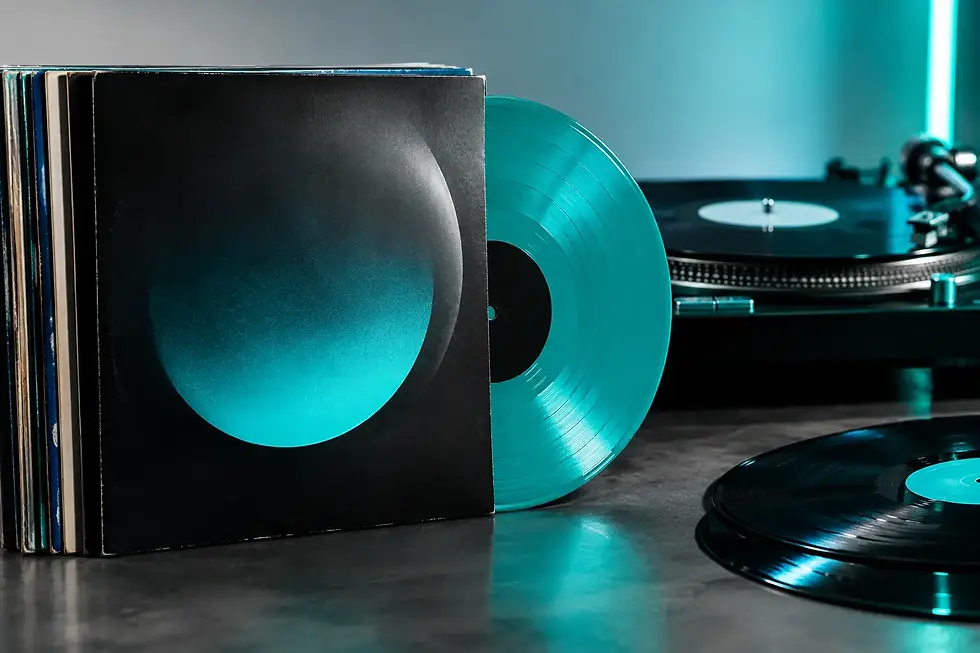
Coloured and marbled vinyl add another layer for collectors when they suit the release and are clearly presented as part of the edition. They can make a familiar title feel newly considered without replacing the importance of audio quality and provenance. The strongest editions balance both: an object with visual presence that still earns repeated plays.
Official licensing remains the foundation. It is what connects a pressing to the artists, labels and catalogue history behind it. For a collector, that provenance brings confidence that the release belongs in the story of the record rather than sitting outside it.
Original pressing or reissue?
This is not an either-or argument. Original pressings have their own pull: they carry the texture of their moment, whether that is a first-run label variation, a period sleeve or the specific cut DJs played at the time. For some collectors, tracking down those details is central to the thrill.
A reissue offers something different. It can provide a clean, accessible copy for regular listening, a faithful return of a title that has been absent for years, or a new edition with its own carefully chosen visual identity. If you already own an original, a reissue may become the copy you take out for a DJ set or play without worrying about decades of wear. If you do not own one, it can be the right place to begin.
Condition is the practical factor that often settles the question. A well-preserved original may be a wonderful find, but dance records were made to be used. Many were played hard in clubs, passed through record bags and stored in less-than-ideal conditions. An official reissue can put the focus back on the music rather than surface noise, cue burn or a tired sleeve.
Reissues keep scenes connected
The best dance records are rarely confined to one audience. A piano-house anthem might mean one thing to someone who heard it in a packed room in 1996, another to a selector building a set today, and something else again to a younger listener finding it through a sample, a remix or a late-night radio show.
Reissues create a meeting point between those experiences. They allow records to circulate again in physical form, letting established collectors revisit formative sounds while newcomers build context through the source material itself. That circulation matters. Dance music is full of references, borrowed energy and long afterlives. Hearing the full original version can explain why a bassline, vocal phrase or breakdown still lands so hard decades later.
They also correct a common mistake: treating heritage electronic music as a narrow nostalgia exercise. These records endure because they still work. The best of them remains direct, inventive and physical. A tough house groove does not need a history lesson to move a room. A trance record with a perfectly judged lift still delivers the emotional release it was designed for.
For a specialist destination such as The One Collection, the point of curation is to recognise that difference. A meaningful reissue is not simply an old title returned to wax. It is a record with club context, collector relevance and enough musical weight to deserve another chapter.
How to choose vinyl reissues for your collection
Start with the role you want a record to play. If you DJ, check the version and format rather than assuming an album edit will serve the same purpose as the classic 12-inch mix. If you are building an artist or label collection, look for editions that fit the wider catalogue story. If the sleeve matters as much as the sound, take time to understand whether the presentation draws from the original release or represents a new interpretation.
Then think about your listening habits. A coloured variant may be the edition that speaks to you visually; a standard black pressing may better match a run of original releases on your shelf. Neither choice is inherently more serious. The value lies in buying with intent, not chasing a version just because it is different.
It is worth reading release information closely, particularly where format, edition type and remastering are specified. Those details help distinguish a carefully produced archival return from a release that may not match what you are seeking. They also make the collection more satisfying over time. You are not merely accumulating titles. You are building a physical map of the music that has stayed with you.
The records deserve another life
Some records belong to a particular summer, residency or warehouse room. Others have followed listeners through every format change and still find fresh energy on a modern system. Vinyl reissues give both kinds of release the attention they deserve: a chance to be held, played loudly and placed back where they belong - in the active life of dance music.
Choose the editions that connect with your own history, but keep an ear open for the records you missed first time round. The next essential sound is often one that has been waiting patiently in the past.