
Why Coloured Vinyl Demand Matters to Collectors
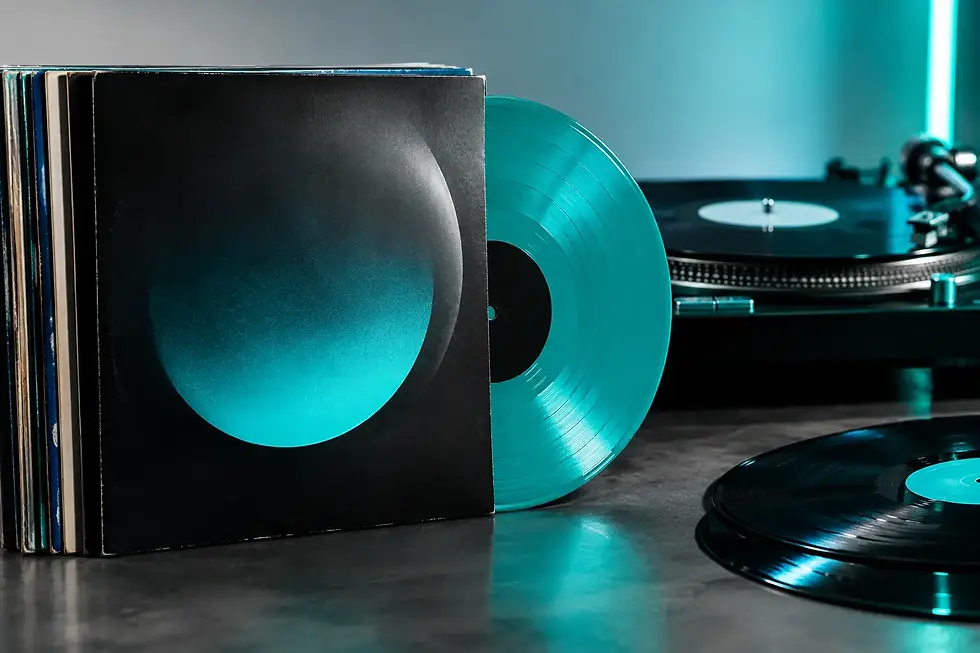
A translucent 12-inch under low light can stop a collector mid-scroll before they have read a single catalogue number. That reaction explains much of the coloured vinyl demand around dance music: the format makes a record feel distinct before the needle reaches the first groove. For listeners who grew up with club classics as working tools, then returned to them as treasured physical objects, colour brings another layer to the ritual.
That does not make every variant automatically essential. A colourway has to suit the music, the artwork and the edition around it. When those details line up, coloured vinyl can turn an already significant release into a stronger piece of dance-music culture.
Why coloured vinyl demand keeps growing
Vinyl collecting has always involved more than playback. The sleeve, centre label, matrix information and condition all contribute to the story of a record. Coloured pressings make that story visible. A marbled disc, a clean transparent finish or a sharply chosen opaque colour changes the object in the hand without changing what makes the track matter in the first place.
For 90s and 2000s dance music, that visual impact lands especially well. This was music built for atmosphere: strobes across a dark room, laser-cut beams, sleeve art glimpsed behind a DJ booth and label designs recognised from a few feet away. A carefully considered coloured pressing can echo that visual language without turning a classic into a novelty.
There is also a practical collector instinct at work. When a record exists in more than one official configuration, the version someone chooses becomes part of how they curate their shelves. One buyer may want the edition closest to the original club-era release. Another may be drawn to a later reissue with revised artwork, a different format or a colour variant that gives the title a fresh identity. Neither approach is more correct. The appeal depends on the role that record plays in the collection.
Colour can also help a release stand apart in a library of familiar black discs. That matters for collectors who know the music deeply and want a physical edition that reflects its place in their own listening history. The strongest variants do not ask the colour to do all the work. They pair it with proper artwork, clear production detail and a track selection worthy of being pressed again.
Coloured vinyl demand is not just about rarity
It is easy to treat a coloured record as shorthand for scarcity, but collectors are usually more discerning than that. A distinctive variant may be desirable, yet desirability comes from context. Is the release official? Does it represent an important track, mix or era? Has the package been handled with care? Is the vinyl colour sympathetic to the sleeve and label design? Those questions last longer than the initial surprise of seeing a bright disc.
For dance titles, provenance carries particular weight. Many records were defined by their original labels, club support, radio presence and the mixes that travelled from one set to another. An official edition that respects this history has cultural pull because it connects the object to the record's real journey. Colour can enhance that connection, but it cannot replace it.
This is why plain black vinyl still holds its place. Black is classic, practical and often exactly right for a faithful reissue of a seminal 12-inch. A colour variant should offer a different expression, not suggest that standard black is somehow lesser. The best collections tend to hold both kinds of record: editions chosen for historical closeness, and editions chosen for their visual character.
Nor should colour be mistaken for a promise about sound. Pressing quality is shaped by a range of factors, including the source material, mastering, manufacturing standards, storage and turntable set-up. A coloured record can sound excellent, just as a black record can. The sensible move is to judge the full release information rather than assuming the pigment tells you how the music will play.
What makes a colour variant feel considered
The difference between a collectible edition and a gimmick is often found in the details. A colour should have a reason to exist within the release. Turquoise may suit a Balearic-leaning house record with aquatic artwork. Smoke or clear vinyl can complement a colder, more nocturnal trance aesthetic. A two-tone marble can work where the sleeve already carries movement, texture or a sense of velocity.
The most effective choices are not always the loudest. A subtle splatter or a deep translucent shade can reveal itself differently in daylight and under room lighting, rewarding closer inspection. That suits collectors who appreciate a record as an object rather than a photo opportunity. It also lets the artwork remain central instead of competing with it.
Packaging matters just as much. A strong sleeve, accurate credits and a well-designed centre label make the whole release feel coherent. For older dance music, these elements are part of the archive. They tell listeners where a track came from, who shaped it and how it was originally presented. Reissues earn their place when they retain that sense of care.
Format deserves attention too. A coloured double LP may suit an album that benefits from a full visual presentation, while a 12-inch can preserve the focused, club-ready feel of a defining single or remix. There is no universal answer. The key is whether the format serves the music and the edition's purpose.
How to choose coloured vinyl for a serious collection
Start with the title, not the hue. Ask whether the release has a genuine connection to your taste, your memories or the corner of dance music you are building. A record you will return to is more rewarding than a variant bought solely because it looks good in a product image.
Then read the edition details closely. Check the format, the version of the release, the label and the information supplied about the pressing. If an edition is described as a remaster, an exclusive or an official reissue, understand what that description refers to rather than filling in gaps with assumptions. Clear release information is especially valuable when a much-loved track has appeared in several forms over the years.
Think about how it sits beside what you already own. A collection can be organised by artist, label, era, sound or personal association. Colour may become another thread - perhaps transparent records for trance, richer opaque shades for vocal house, or marbled editions for records that defined late-night sets. That approach can be satisfying, but it should remain secondary to the music.
Finally, look after the record as you would any quality pressing. Keep it in a protective inner sleeve, store it upright and away from direct heat or sunlight, and handle it by the edges and label. Transparent and lighter-coloured vinyl can make dust more visible, which is not a flaw but a useful reminder to keep the surface clean before playing.
A physical language for dance-music heritage
Dance music was never only heard. It was spotted on record-shop walls, passed between DJs, carried home after a weekend out and recognised by the sleeve peeking from a bag. Coloured vinyl gives labels and collectors another way to honour that visual memory while keeping the focus on records that have endured beyond their original moment.
For a specialist dance-vinyl catalogue such as The One Collection, the point is not to add colour for its own sake. It is to present significant music in editions that feel worthy of the tracks, artists and scenes behind them. When licensing, presentation and curation are handled properly, the colour becomes part of the release's identity rather than a distraction from it.
The next time a coloured pressing catches your eye, give it the same attention you would give a record in a DJ bag: check the edition, consider the story, then decide whether it deserves a place beside the music you already live with.