
Why an Angie Brown Reissue Belongs on 12-Inch
An Angie Brown reissue is not simply a nostalgia exercise. It is a chance to put one of house music’s most commanding voices back into the format that gave it space to move: the 12-inch single. For collectors who remember the first impact of Bizarre Inc’s "I’m Gonna Get You", and for newer DJs building sets with proper vocal-house authority, that distinction matters.
Brown’s delivery has always had a rare balance. It is soulful without becoming soft, direct without sounding overworked, and big enough to carry a packed room without losing its human edge. In an era full of excellent tracks, that kind of vocal identity is what turns a club record into a lasting reference point.
The voice at the centre of a house classic
Released in 1992, "I’m Gonna Get You" arrived at a point when house music was moving fast across UK dancefloors, radio, charts and specialist record shops. Its appeal was immediate, but it was never only about a memorable hook. Angie Brown gave the record its emotional voltage.
There is a difference between a vocal that sits on top of a dance track and one that defines the track’s entire character. Brown is firmly in the latter camp. Her performance brings gospel weight, R&B phrasing and a confident, straight-to-the-floor presence to a production designed for movement. The line is familiar because it is built to be sung back, but the power comes from the way she delivers it: urgent, celebratory and absolutely in control.
That is why the record has endured outside a narrow 90s-house context. It works as a peak-time moment, a singalong release and a reminder of when crossover success did not have to sand down a record’s club instinct. The beat drives forward; Brown gives it lift.
What makes an Angie Brown reissue worth collecting?
The best dance reissues respect the original record’s function as much as its reputation. A classic vocal-house title is not a museum piece. It should still feel alive when the needle lands, whether it is being played loud at home, selected for a DJ set or filed alongside the records that shaped a collector’s musical life.
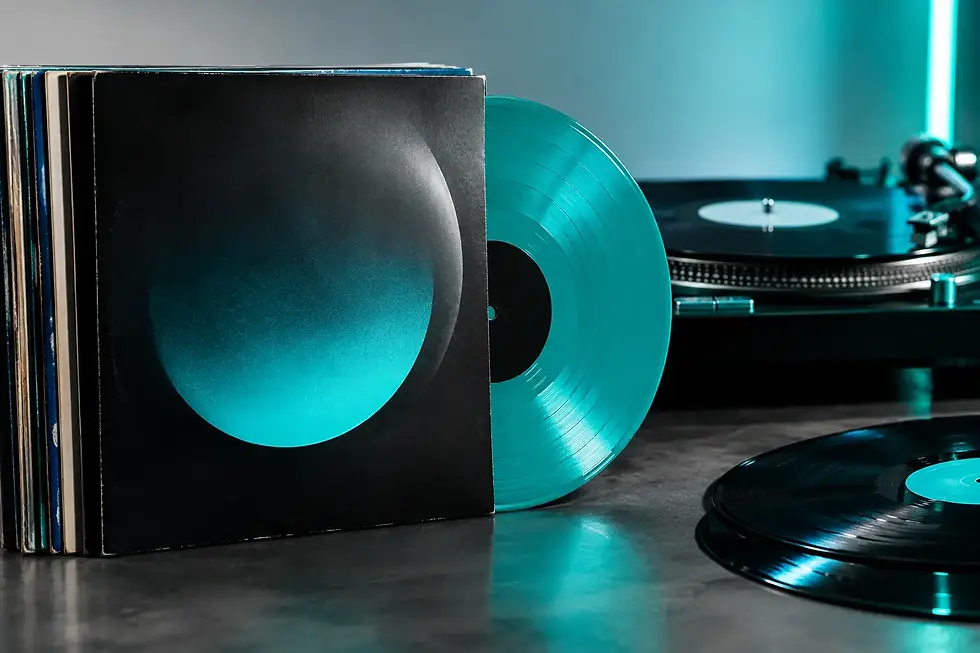
For an Angie Brown reissue, presentation matters because the music carries such strong visual and physical associations. This is 12-inch culture: the pleasure of a full-size sleeve, clear label detail, a properly cut groove and the tactile ritual that streaming cannot reproduce. A physical edition gives the record the room its scale deserves.
It also creates a more deliberate relationship with the music. You do not merely call up a familiar vocal from a playlist. You choose the record, place it on the turntable and hear the opening with the anticipation that format encourages. For a track so closely tied to the shared energy of the dancefloor, that ritual is part of the appeal.
Official licensing is central here too. Collectors are not simply buying an object with a famous title on it. They are looking for editions that honour the artists, the original release and the cultural history behind the music. A carefully produced official reissue is a document of that history, made to be played rather than treated as a disposable novelty.
A 12-inch is more than a larger record
The 12-inch single became essential to dance music because it served both the club and the collector. It offered DJs practical control, space for extended versions and a format that made a release feel substantial. For vocal-house records, that scale can be especially important. A great mix needs room for the groove to establish itself before the vocal takes the centre of the room.
That does not mean every version of every classic needs to be extended or reworked. Sometimes the version that lives in collective memory is the one people want to hear. Other times, a club-focused arrangement reveals why DJs connected with the record in the first place. The right choice depends on what has been confirmed for the edition, and on whether the release is intended for home listening, DJ use or both.
Collectors should resist treating format as a badge of status alone. A 12-inch earns its place when the music benefits from it. With Angie Brown’s vocal presence, the answer is easy to understand. These are performances made for a system, for a room and for the moment when a familiar lyric changes the temperature of the dancefloor.
The details collectors should look for
When assessing any announced reissue, confirmed information is more valuable than speculation. The sleeve, label design, catalogue reference, format and edition description all help place a release in context. Where provided, mastering and cut information can matter too, particularly to listeners who care about how a record translates at volume.
Vinyl colour is a genuine part of modern collector culture, but it should complement the music rather than distract from it. A strong colour or marbled finish can make a record feel distinct on the shelf and satisfying on the deck. For a title with this much club heritage, the best presentation is one that feels considered, not gimmicky.
It is also worth separating confirmed release details from the assumptions that often circulate around heritage dance records. Do not presume a particular mix, audio source, pressing run or special feature unless it has been clearly stated. Good collecting is informed collecting. The strongest editions stand up on their own details.
Why these records still connect now
Nineties house has never disappeared from club culture, but the way listeners engage with it has changed. A generation that grew up hearing these records on radio, in clubs and through friends’ collections now values the physical artefacts around them. At the same time, younger selectors are finding that a properly made vocal record can cut through a set of harder, more functional tracks with remarkable force.
Angie Brown’s work speaks across that gap because it is not dependent on a passing production trend. The performance has personality. It understands release and tension. It is polished enough for pop crossover, yet never loses the conviction that makes house vocals feel communal rather than merely decorative.
That is the deeper value of an Angie Brown reissue. It places a defining vocal back in circulation without asking listeners to treat the past as frozen. The record can belong to memory and still earn a place in a current bag. It can be a cherished piece of 90s dance history and a genuinely useful record to play.
For collectors, that combination is difficult to beat. The One Collection exists for precisely this kind of connection: music with a real dancefloor story, presented as physical culture rather than background content. A well-chosen reissue invites you to listen again, but more importantly, it reminds you why you kept listening in the first place.
Put it on the turntable, let the groove settle, and wait for that voice to take the room.