
Top Dance Labels on Vinyl Worth Collecting
A centre label can tell you almost everything before the needle touches the record. The logo, catalogue number and sleeve language often point to a particular room, city and moment in club culture. That is why the top dance labels on vinyl matter beyond a single anthem: they give a collection shape. For collectors who grew up with 90s and 2000s dance music, a run of releases from the right imprint can feel as meaningful as a run of records by one favourite artist.
The best labels did more than issue tracks. They established a sound, a visual code and a standard for what belonged in the bag. Some were built around raw US house and garage, others around melodic trance, big-room crossover or leftfield electronic pressure. Their vinyl catalogues remain rich territory because the format was central to how the music travelled - from distributor to record shop, from DJ box to dance floor.
What makes a dance label worth collecting?
There is no universal league table. A label’s importance depends on the part of dance music that moved you, whether that was a Saturday at a superclub, a sweaty basement session, late-night radio or the first 12-inch you bought with your own money. Still, the labels that endure tend to share a few traits: a recognisable identity, a catalogue with real depth, artists who mattered, and sleeves or centre labels that are unmistakable at arm’s length.
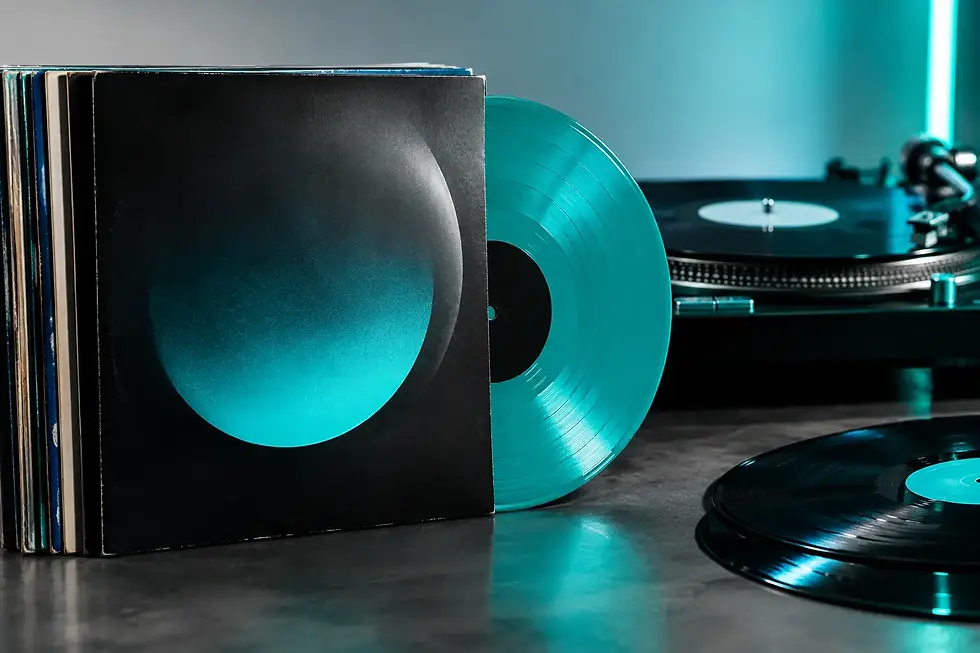
For vinyl collectors, format is part of the story. A punchy 12-inch can preserve the club version that never fitted a commercial compilation. A double LP may document an artist or scene in fuller detail. Coloured vinyl, remastered editions and carefully produced reissues can add another layer of appeal, but they should complement the music rather than replace it. The strongest shelves are built around records you will return to, not simply names you think you ought to own.
Top dance labels on vinyl: the essential imprints
Strictly Rhythm
Few logos carry more weight in house music than Strictly Rhythm. Its catalogue is inseparable from the New York house continuum, with records that moved between vocal house, deep house, garage and tougher club tools. For UK listeners, many of these tracks became fixtures through imports, DJ sets and later crossover success.
Collecting Strictly Rhythm is rewarding because the label represents a broad ecosystem rather than one narrow sound. A record with that familiar yellow-and-black design can lead towards divas, producers, dub mixes and records made for the small hours. The detail matters: mixes, mix order and original 12-inch sequencing can radically change how a release works in a set.
Nu Groove
Nu Groove occupies a more stripped-back, underground corner of house history. Associated with New York’s late-80s and early-90s scene, its records are prized for their directness: drum machines, bass, chords and ideas that need no extra polish. The catalogue has a raw, functional energy that still makes sense on a proper system.
This is a label for collectors drawn to the foundations beneath later house and techno developments. A Nu Groove record is not necessarily about a huge vocal hook or a familiar chart memory. It is often about groove, repetition and the physical satisfaction of a DJ tool doing exactly what it was made to do.
Defected
Defected became one of the defining British house institutions by treating house music as a living culture rather than a nostalgia exercise. Its releases have covered soulful vocals, club-ready remixes and contemporary house with a clear connection to the genre’s roots. The label’s identity is polished but never detached from the dance floor.
On vinyl, Defected appeals to collectors who want house music with both musical warmth and a strong visual presence. Its catalogue spans different eras of club life, which makes it a useful bridge between heritage classics and newer records. It also shows why label collecting is not only about the past: a good imprint can create continuity between generations of DJs and listeners.
Hooj Choons
For trance collectors, Hooj Choons is a name that immediately suggests atmosphere. The label helped define a more progressive, emotive strain of 90s trance and house, favouring long builds, rolling percussion and melodies that unfold rather than announce themselves all at once.
Its appeal lies in that sense of journey. These are records made for a set with patience, where the transition between tracks is as important as the moment of release. Hooj Choons sleeves and label artwork also became part of the attraction, offering a visual identity that matched the music’s distinctive mood without leaning on obvious genre clichés.
Positiva
Positiva captured a particular peak in UK dance culture, where club music could feel huge, melodic and nationally visible without losing its connection to DJs and remixes. The catalogue crosses house, trance, dance-pop and vocal anthems, reflecting the period when a 12-inch could be equally at home in a record bag and on a bedroom turntable.
For many collectors, Positiva brings an immediate emotional charge. It recalls a time of chart countdowns, specialist radio and packed dance floors, but the best records hold up because the production and songwriting were built for repeat plays. Look beyond the headline version where possible: club mixes and dub treatments often reveal why the track connected in the first place.
Ministry of Sound
Ministry of Sound’s label output is tied to one of the most recognisable club brands in British dance music. Its records document the meeting point between club credibility and mainstream scale, from house and trance through to the broader electronic crossover sound of the late 90s and 2000s.
That breadth is the attraction and the trade-off. Collectors seeking a tightly defined sonic lane may prefer a specialist imprint, while those building a shelf that reflects the full sweep of UK club culture will find plenty to explore. The label is a reminder that dance music’s history was never contained in one room, one genre or one type of record buyer.
R&S Records
R&S Records has a different kind of authority. Rooted in Belgian electronic music, it became a vital home for techno, ambient, breakbeat and adventurous electronic records that reached far beyond conventional dance-floor formulas. Its catalogue has the curiosity of a label willing to take risks without losing a sense of physical impact.
R&S belongs in a dance vinyl collection because it widens the frame. A shelf built only from vocal house or euphoric trance can be thrilling, but adding labels such as R&S brings texture, tension and space. These records reward close listening as much as loud playback, making them particularly satisfying long after the first rush of recognition has passed.
How to collect labels, not just individual records
Start with the sound you actually play. If your collection leans towards US house, follow the labels that supplied its essential club language. If progressive trance is your territory, trace the imprints behind the records that built your favourite sets. A label discography is not a completionist challenge unless you want it to be; it is a route into connected artists, remixers and scenes.
Pay attention to catalogue numbers and formats. They can reveal whether a record sits near the beginning of a label’s story, belongs to a key creative run or marks a later change in direction. Original pressings carry historical appeal, while official reissues can offer a clean, considered way back into important music. Neither is automatically the right choice. Condition, mastering, sleeve design and the version you want to hear all count.
It also pays to treat the 12-inch as its own object. Dance records were often designed around the needs of the DJ, with extended intros, instrumental versions, alternate mixes and a cut intended to move a room. Streaming can make every version look like a line of text. Vinyl restores the hierarchy: this side, this mix, this moment.
Build a collection with a point of view
The most satisfying dance shelves do not try to cover every genre or chase every recognised logo. They show taste. Perhaps that means a concentrated run of uplifting trance, the foundational labels of US house, or crossover records that defined your own nights out and radio rituals. Let the collection be personal, but give it context.
The One Collection is built around that same belief: dance music on vinyl carries more than audio. It holds design, memory, scene history and the pleasure of putting a record on with intention. Choose labels that still mean something when the lights are low and the first beat lands. Then keep following the catalogue.