
Dance Nostalgia Revival Trends in Vinyl Culture
A piano hook from 1998 can still change the temperature of a room. So can a trance breakdown, a filtered house vocal or the first kick of a crossover anthem that once lived on a CD single, a white-label dub or a battered 12-inch in a record bag. Dance nostalgia revival trends are not simply about replaying old favourites. They reflect a renewed appetite for the records, formats and moments that gave club music its physical identity.
For collectors, that distinction matters. The pull is not just a familiar melody. It is the sleeve artwork, the label design, the running order, the extended mix and the sense that a defining piece of dance-floor history has been treated with the care it deserves. Vinyl has become a natural home for this revival because it makes the relationship with the music more deliberate.
Why dance nostalgia feels different now
Nostalgia has always been part of dance music. DJs have revived forgotten cuts, producers have sampled classic hooks and club nights have built entire rooms around a decade or a sound. What feels different now is the seriousness of the return. Listeners who grew up with late-90s house, turn-of-the-millennium trance and 2000s vocal dance are revisiting those records as adults with deeper knowledge, better systems and a stronger interest in physical editions.
That has changed the conversation from "remember this?" to "which mix is on the pressing?" A collector may want the full-length version rather than the radio edit, the original club sequence rather than a streaming playlist, or a package that reflects the visual world around a record when it first landed. That is not misty-eyed sentiment. It is format literacy.
Younger listeners are also approaching these sounds without the baggage of having lived through them first time round. A euphoric piano line, a hard-edged garage bassline or an unapologetically melodic trance record can feel fresh when heard outside the narrow labels of its original era. Social clips and DJ sets may spark discovery, but the move to vinyl is where passive recognition becomes collecting.
Dance nostalgia revival trends are format-led
Streaming can make a catalogue feel endless, but it can flatten the details that make dance music special. A dance record is often defined by its versions. The main mix, dub, instrumental, remix and extended arrangement can each carry a different purpose, whether that is peak-time release, warm-up tension or a vocal moment that sends a crowd somewhere else.
Vinyl restores some of that context. A 12-inch does not ask you to skip through a feed. It asks you to choose a side, cue a track and hear how a mix earns its payoff. For music built around progression, repetition and release, that physical ritual still fits.
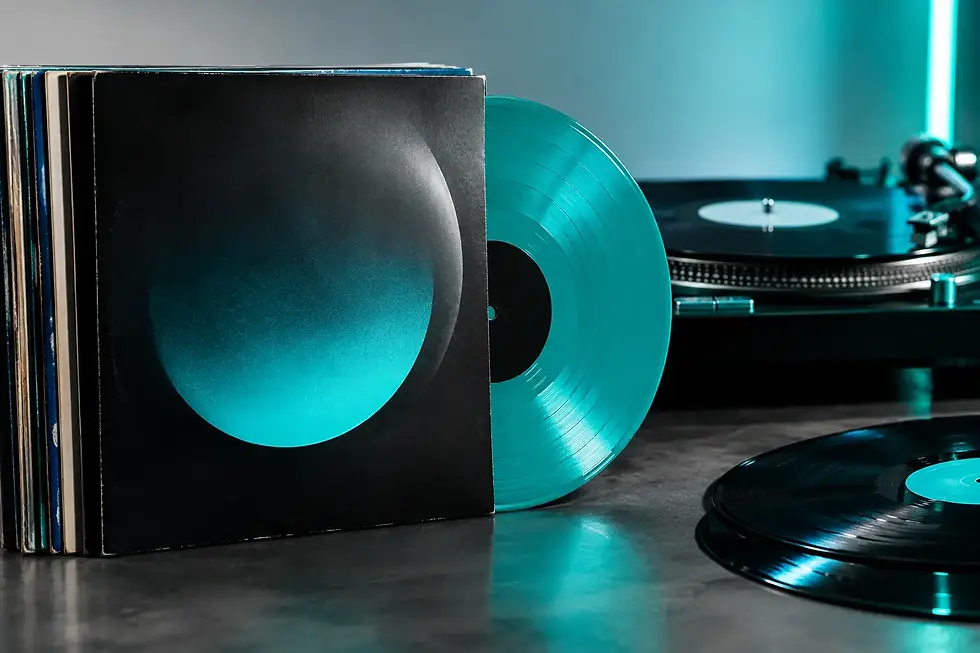
The format also gives reissues a chance to become considered objects rather than digital catalogue additions. Coloured or marbled vinyl, a faithful recreation of original artwork, upgraded sleeve finishes and carefully presented centre labels can add genuine appeal when they serve the record's identity. The strongest editions understand the difference between collectable design and decoration for its own sake.
There is a trade-off, of course. Not every dance classic needs another pressing, and not every colour variant adds cultural weight. A reissue earns its place when the source material, audio presentation and package make sense together. Collectors notice when the details have been treated as part of the release rather than an afterthought.
The 12-inch still carries authority
The 12-inch single remains one of dance music's most meaningful formats. It was made for DJs, but its appeal reaches beyond the booth. Its scale gives artwork room to breathe, while its sequencing often preserves the practical logic of the record: the vocal or main mix on one side, the deeper or more functional version on the other.
For a collector, that format can hold a particular era in a way a compilation rarely can. A single 12-inch may recall a label's house style, a specific club, a radio show or the moment a track crossed from underground attention into wider culture. The record becomes a document of where dance music was heading.
Double LPs have their own role, especially where an album's original flow deserves more space. They allow the listener to engage with artists who were never just one anthem, and they can reveal the textures around the famous single: ambient passages, tougher club cuts, downtempo interludes and less obvious favourites.
The sounds returning to the front of the room
The revival is broad, but it is not shapeless. Several strands of 90s and 2000s dance music continue to connect because they offer something direct, emotional and distinct from a lot of contemporary production.
Piano house remains irresistible because its energy is immediate. The chord progression is often enough to trigger recognition, but the best records also have swing, space and a proper club arrangement. Vocal house and crossover dance endure for similar reasons. A huge topline can be joyous without being disposable when it is anchored by a rhythm section that still works at volume.
Trance has returned with particular force, although the interest is not limited to one polished, stadium-sized version of the genre. Collectors and DJs are revisiting progressive builds, melodic techno-trance hybrids, deeper late-night records and the long-form arrangements that let a breakdown do its job. The appeal is emotional, but it is also architectural.
Garage, speed garage and UK-flavoured crossover records remain vital to this conversation too. Their bass weight, clipped vocals and restless percussion feel rooted in a distinctly British club lineage. These are not museum pieces. Their rhythmic ideas continue to shape current sets and new productions.
Authenticity is the point, not a marketing word
As more heritage dance music returns to physical formats, provenance becomes central. Official licensing matters because it respects the artists, labels and catalogue histories behind the music. It also gives collectors confidence that a release belongs within the story of the record, rather than sitting outside it as an imitation.
That does not mean every new edition must copy an original sleeve exactly. There is room for thoughtful reinterpretation, especially where a release is presented for a new generation of listeners. But the design should understand the source. Dance culture has always had its own visual codes: stark typography, colour-blocked sleeves, cryptic label copy, nightclub imagery and the graphic language of specialist record shops. Getting that language right takes knowledge.
This is where curation has value. A focused dance catalogue can put a well-known anthem beside a deeper label cut, a formative remix or an album that deserves another listen. It encourages collectors to follow connections rather than chase isolated tracks. The One Collection is built around that principle: significant dance releases treated as records with history, not simply titles with recognition value.
Collecting for play, not just display
A premium pressing can look exceptional on the shelf, but dance vinyl earns its real value on the turntable. That does not mean collectors have to be DJs. Playing a record at home, sharing it with friends or building a personal run of tracks for a Friday night is part of the culture too.
It is worth buying with intention. Consider which version you will actually return to, whether you want the original single context or a wider album experience, and how the edition sits within your existing collection. A coloured pressing may be the right choice because it suits the artwork. A standard black vinyl edition may be preferable when the appeal is all about the original club format. It depends on the release and what you want the object to represent.
Care matters as much as acquisition. Store records upright, keep them away from heat and direct sunlight, use clean inner sleeves where appropriate, and give the playing surface a proper brush before the needle drops. These are small habits, but they protect the sound and the package that made the record worth seeking out.
The most compelling dance nostalgia revival trends are not asking us to live in the past. They are giving defining records another proper hearing - full-length, full-volume and held in the hands.